
Throughout the posts on this site, I have contextualized the work of modern and contemporary artists within an educational framework. … More

Throughout the posts on this site, I have contextualized the work of modern and contemporary artists within an educational framework. … More

The traditional K-12 school environment is sometimes the be-all end-all location for resourceful learning opportunities in student’s lives. This is … More

While schools across the United States are typically closed today, the reason has been rife with controversy for years. The … More
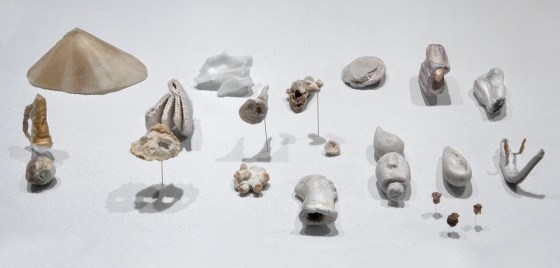
The art critic Ben Davis recently described the artist curated works at the 33 Bienal de Sao Paulo (components of an … More

What is the role of the artist in today’s global and multicultural civilization? How can we make art to express … More

Geography is the study of people, places, things, and the environment. Geographers, the practitioners of geography, scrutinize the relationship between … More

“Art isn’t functional.” Too often, I hear that statement (or a variation of it) when I engage in a conversation … More

In the educational environment, differentiation of instruction is a vital methodology educators use in order to ensure that students are … More

In the traditional capitalist method of production, the finished product is the only element of value to the producer. The … More

It’s that time of the year when both educators and students are dreaming of long days on the beach (or … More
 Artfully Learning